


Transform Your Wardrobe: Alterations Made Easy
Revamping your wardrobe doesn’t always require a complete overhaul. Sometimes, all it takes is a few clever alterations to breathe new life into your favorite pieces. Whether you have a dress that’s lost its shape or a pair of pants that just doesn’t fit right, alterations can transform your clothing into something that feels fresh and exciting. In this guide, we’ll explore the world of clothing alterations, providing you with practical tips and insights to make the process easy and enjoyable.
Understanding the Basics of Clothing Alterations
Before diving into specific alterations, it’s essential to understand what clothing alterations entail. Alterations are adjustments made to garments to improve fit, style, or comfort. They can range from simple hem adjustments to more complex modifications like taking in seams or adding darts.
Common Types of Alterations
Hemming: Shortening or lengthening the hem of skirts, pants, or sleeves.
Taking In/Letting Out: Adjusting the side seams to make a garment tighter or looser.
Adjusting Shoulders: Raising or lowering the shoulder seams for a better fit.
Adding Darts: Creating shape in blouses or dresses by adding darts at the bust or waist.
Replacing Zippers: Changing out a broken zipper for a new one.
Why Alterations Matter
Alterations can significantly enhance the fit and appearance of your clothing. A well-fitted garment not only looks better but also boosts your confidence. Here are a few reasons why you should consider alterations:
Personalized Fit: Every body is unique, and alterations allow you to customize your clothing to fit your shape perfectly.
Cost-Effective: Instead of buying new clothes, alterations can extend the life of your favorite pieces.
Sustainable Fashion: Altering existing garments contributes to sustainable fashion practices by reducing waste.
Getting Started with Alterations
Now that you understand the basics, let’s explore how to get started with alterations. Whether you choose to do it yourself or hire a professional, here are some steps to guide you.
DIY Alterations: Tools You’ll Need
If you’re feeling adventurous and want to try your hand at DIY alterations, here are some essential tools to have on hand:
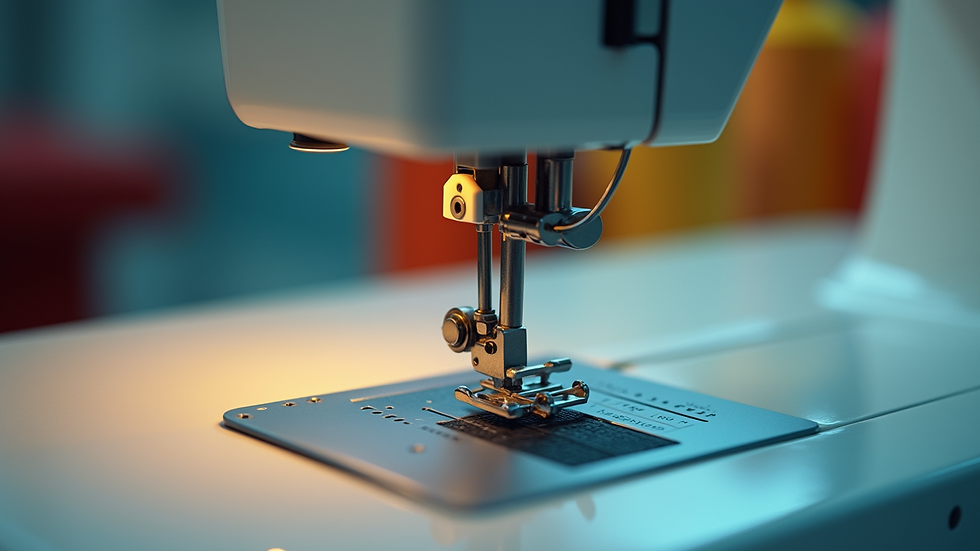
Sewing Machine: A basic sewing machine is a must for most alterations.
Measuring Tape: Accurate measurements are crucial for a perfect fit.
Fabric Scissors: Sharp scissors will make cutting fabric much easier.
Pins: Use pins to hold fabric in place while you sew.
Thread: Match the thread color to your fabric for a seamless look.
Step-by-Step Guide to Common Alterations
Hemming Pants
Measure the Desired Length: Wear the shoes you plan to pair with the pants and measure the length from the floor to the desired hemline.
Pin the Hem: Fold the fabric up to the desired length and pin it in place.
Sew the Hem: Using a sewing machine, sew along the pinned edge, removing pins as you go.
Taking In a Dress
Try It On: Put on the dress and identify where it feels loose.
Pin the Sides: Pinch the fabric at the sides and pin it to hold the new shape.
Sew the Seams: Sew along the pinned seams, then try the dress on again to ensure a good fit.
When to Seek Professional Help
While DIY alterations can be fun and rewarding, some adjustments are best left to professionals. If you’re dealing with complex alterations or expensive fabrics, consider seeking help from a tailor. Here are some signs it’s time to consult a professional:
Complex Adjustments: If you need to adjust the structure of a garment, such as changing the neckline or adding a lining.
Delicate Fabrics: Fabrics like silk or lace can be tricky to work with and may require specialized techniques.
Time Constraints: If you’re short on time or unsure about your sewing skills, a tailor can save you the hassle.
Tips for Finding a Good Tailor
If you decide to go the professional route, finding a reliable tailor is crucial. Here are some tips to help you choose the right one:
Ask for Recommendations: Friends, family, or local fashion boutiques can often recommend skilled tailors.
Check Reviews: Look for online reviews or testimonials to gauge the tailor’s reputation.
Visit the Shop: Take a trip to the tailor’s shop to assess their work and ask questions about their process.
The Cost of Alterations
The cost of alterations can vary widely based on the complexity of the work and the tailor’s experience. Here’s a general idea of what to expect:
Hemming Pants: $10 - $20
Taking In a Dress: $20 - $50
Replacing a Zipper: $15 - $30
Keep in mind that investing in alterations can save you money in the long run by extending the life of your clothing.
Maintaining Your Altered Garments
Once you’ve had your clothing altered, it’s essential to take care of them to ensure they last. Here are some maintenance tips:
Follow Care Instructions: Always check the care label for washing and drying instructions.
Store Properly: Hang or fold your garments to prevent stretching or damage.
Regularly Check Fit: As your body changes, you may need to have your garments altered again.
Embracing Your Unique Style
Alterations are not just about fit; they also allow you to express your personal style. Consider customizing your clothing with unique touches, such as:
Adding Embellishments: Sew on patches, beads, or lace to give your garments a personal flair.
Mixing Fabrics: Combine different fabrics to create a one-of-a-kind piece.
Experimenting with Lengths: Don’t be afraid to play with lengths and silhouettes to find what suits you best.
Conclusion
Transforming your wardrobe through alterations is a practical and creative way to enhance your clothing. Whether you choose to tackle simple adjustments yourself or seek the help of a professional tailor, the benefits are clear. You’ll enjoy a personalized fit, save money, and contribute to sustainable fashion practices. So, gather your tools, explore your options, and start transforming your wardrobe today!
By embracing alterations, you not only improve the fit of your clothing but also celebrate your unique style. Remember, every piece of clothing has the potential to be a perfect fit with a little creativity and effort. Happy altering!


Comments